
01 / BUYER LENS
Supply Paths risk needs proof.
XPI buyers often inherit lazy category language.
SUPPLY PATHS / BUYER DOSSIER
XPI buyers often inherit lazy category language. “New,” “reman,” and “white-box” are used as if they automatically settle quality. They do not. Each category carries a different proof burden, a different risk profile, and a different fit for procurement, workshop, and fleet use.

COVER SHEET
Best for procurement / distributor / fleet.
01 / BUYER LENS
XPI buyers often inherit lazy category language.
02 / WHAT THIS GUIDE COVERS
New-production / Reman / White-box
03 / DECISION CUE
The category label does not settle quality; the evidence burden does.
OPENING BRIEF
Most injector buying arguments collapse because the categories are badly defined.
One person says “new aftermarket” as if that ends the conversation. Another says “reman” as if it automatically means compromise. A third says “white-box” and means anything from unbranded supply to outright suspicion. None of that helps a buyer make a disciplined decision.
For XPI injectors, the better approach is to compare supply categories by the things that actually affect commercial confidence: consistency, traceability, code readiness, documentation, validation confidence, procurement suitability, and risk profile.
BUYER HANDOFF
Use comparison pages to frame sourcing risk before buyers collapse every option into one price-only shortlist.
Query definition
XPI buyers often inherit lazy category language. “New,” “reman,” and “white-box” are used as if they automatically settle quality. They do not. Each category carries a different proof burden, a different risk profile, and a different fit for procurement, workshop, and fleet use.
Why it matters commercially
Comparison queries are commercial because they decide whether the buyer values proof, new-production quality, and install reliability or just the cheapest label.
How to verify
Common mistakes
BUYER HANDOFF
Compare the application lane, then the product path, and carry the accepted risk profile into RFQ.
application
Use the application hub to confirm the engine-family lane before the RFQ leaves the desk.
OPEN APPLICATION HUBproduct
Open the product/category path that turns the technical question into a real shortlist.
REVIEW PRODUCT PATHrfq
Carry the verified identifiers into the stable RFQ workflow instead of a support-only page.
START RFQSUPPLY PATHS EVIDENCE BOARD
Lead with one dossier image, two support views, and one buyer matrix built around New-production / Reman / White-box.


COVERAGE MATRIX
New-production / Reman / White-box
The category label does not settle quality; the evidence burden does.
NEXT IN THE SYSTEM
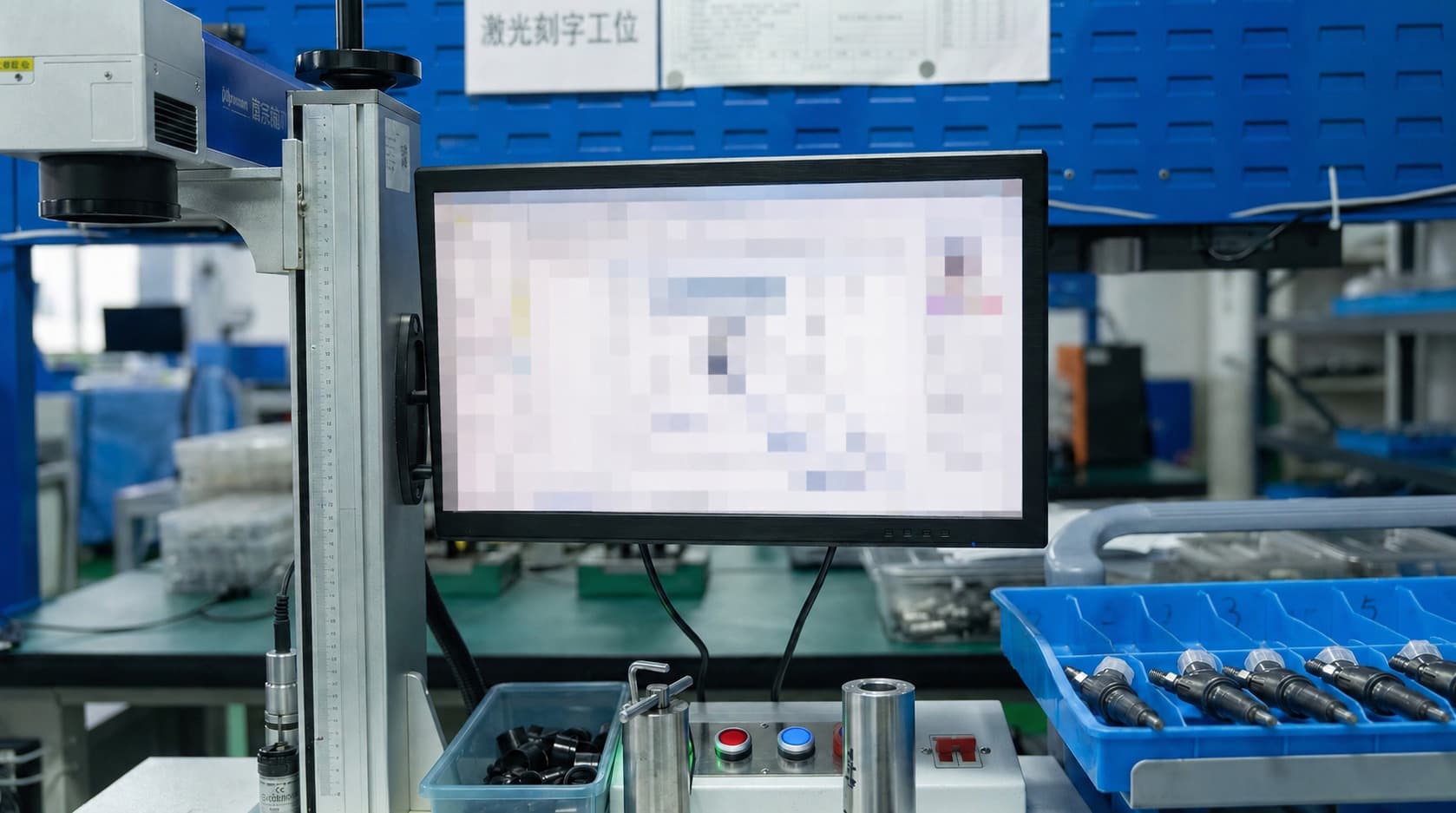
trim code
On a modern XPI injector, the trim code is not decorative text. It is part of the injector’s usable identity, and buyers who treat it as optional usually discover the problem at the worst point in the process: after the quote, during installation, or in the first round of troubleshooting.

fitment
The fastest injector quote is not the shortest inquiry. It is the inquiry built on the right identifiers. For XPI applications, different identifiers answer different fitment questions, and no single number should be treated as a universal shortcut.
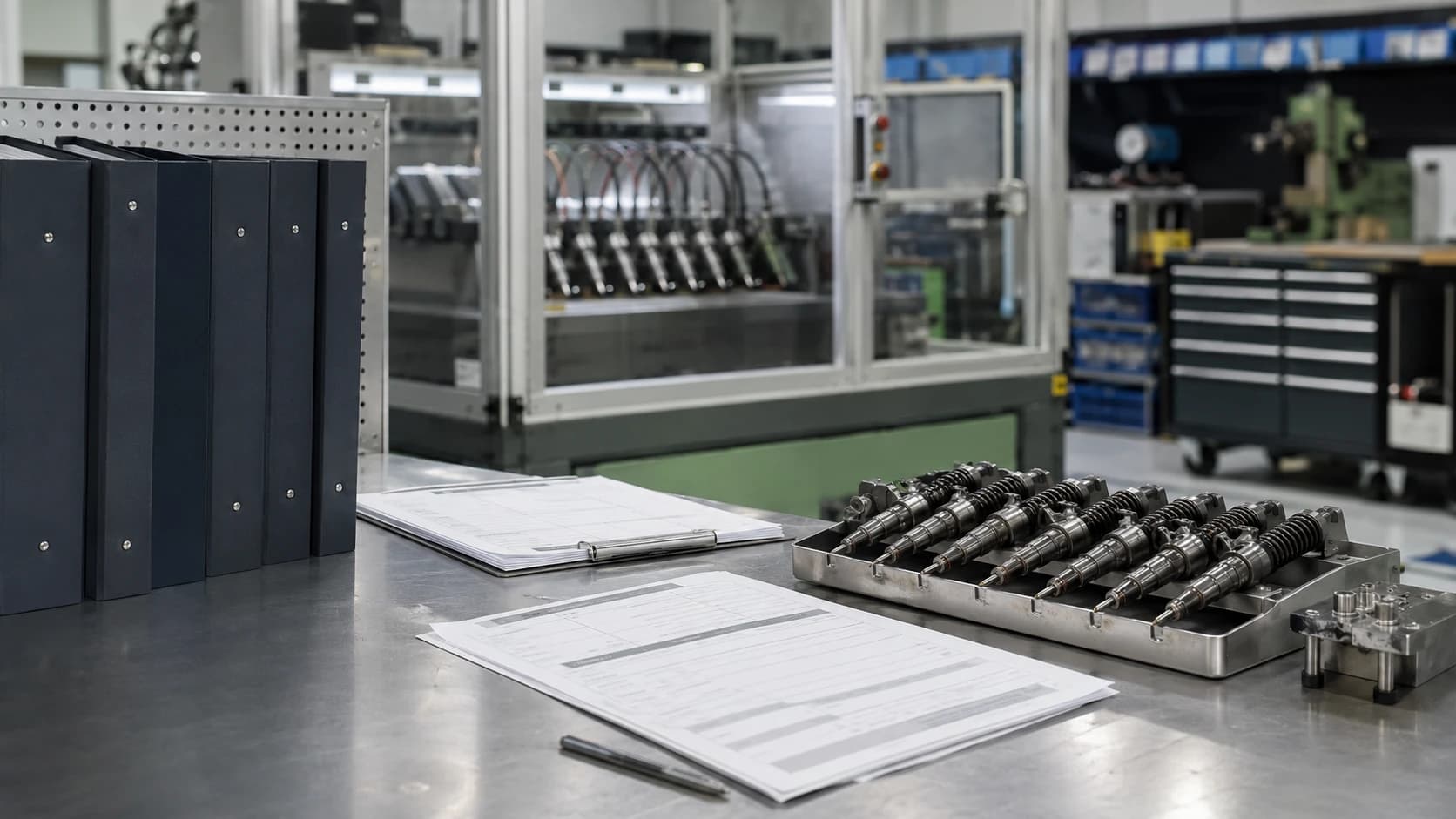
evidence
The aftermarket says “tested” far more often than it proves testing. For XPI injectors, serious buyers should expect evidence that can be tied to the actual unit or shipment: identity, fitment review, code status where relevant, test records, traceability, protected handling, and documents that agree with one another.
NEXT MOVE
If you are comparing XPI injector categories, compare the evidence chain as closely as the price. Start with the supply declaration, fitment basis, traceability, and test support before you decide which category fits your program.
NEXT MOVE
Compare the application lane, then the product path, and carry the accepted risk profile into RFQ.
application
Use the application hub to confirm the engine-family lane before the RFQ leaves the desk.
OPEN APPLICATION HUBproduct
Open the product/category path that turns the technical question into a real shortlist.
REVIEW PRODUCT PATHrfq
Carry the verified identifiers into the stable RFQ workflow instead of a support-only page.
START RFQ