
Dieselink • Premium XPI Injector Manufacturing
Audit-ready XPI injector manufacturing for industrial supply chains
We build XPI injectors with controlled production discipline, cleanliness-focused handling, and retained quality records for qualified business review — so your qualification can move faster and stay stable at scale.
Reply within 24h • NDA available when applicable • Quality summary after qualification
Global Delivery Footprint
Dieselink XPI injector assemblies have been delivered to customers in the highlighted regions (direct supply and distributor programs).
Contact us to confirm lead time, packaging, and required documentation (test report / cleanliness / traceability) for your destination. Coverage updates as programs expand.
Programs & factory references
Founded in 2015, we specialize in the manufacturing and validation of critical components for diesel fuel systems, such as common-rail injectors. We believe that robust process control—not a single sample—best represents true mass-production capability. That’s why we continuously invest in our quality system and validation capacity, building a closed-loop quality management framework that is traceable, measurable, and continuously improving across the full value chain—from incoming inspection and machining to assembly and final shipment. Our core team brings 50+ years of combined industry experience in fuel systems, enabling end-to-end collaboration from drawing review and process planning to validation and volume production delivery.
- Production consistency: documented quality routines, incoming review, in-process checks, and production release review.
- Validation support: application-focused review and sanitized quality summary for qualified business buyers.
- Change management: controlled internal review for product updates, order requirements, and packaging needs.


What we do
Dieselink is an independent manufacturer of diesel fuel system components, specializing in XPI injectors. We focus on repeatability: process control + measurement + test + traceability — not single-piece output.
Delivery & evidence with every injector
Test report
PDF/CSV report with full end-of-line test results.Retained quality records
Unit-level quality records retained under Dieselink control for qualified business review.Serial matching
Order and release records retained for qualified business review.Cleanliness data
ISO cleanliness result tied to the injector.Trim code
Trim code generated via controlled workflow, laser-marked on unit.Program records
Documented records for customer-specific programs (optional).

Built for
- Remanufacturing programs that require stable performance and documentation.
- Aftermarket brands qualifying a consistent XPI source with traceable records.
- Buyers who need evidence (test + cleanliness + traceability), not only claims.
Why XPI is difficult in the service market
XPI is an ultra-high-pressure common-rail system used in selected Cummins and Scania applications. In service markets, fitment and Trim Code requirements vary by application, so public pages stay at compatibility level and detailed review is handled during RFQ.
Test results must be converted into a trim code. Using an incorrect code can lead to knocking, vibration, smoke, noise, and unstable operation.
- Application information and Trim Code requirements should be confirmed before quotation.
- Compatible-application support is reviewed against part number, engine/vehicle information, and buyer requirements.
- Public pages do not publish internal procedures, parameters, or record-access mechanisms.
| Brand | Typical dispersion (example) |
|---|---|
| Denso | |
| Bosch | |
| XPI injector |
How Dieselink Supports Compatible XPI Supply
Dieselink supports B2B supply of compatible XPI injectors through part-number review, application confirmation, Trim Code support, and order documentation. Internal production data, process methods, and record-access mechanisms are not published on public pages.
Confirm support scope against part number, application information, and buyer requirements.
Public pages show only buyer-facing quality-support summaries.
Trim Code guidance can be coordinated during RFQ for compatible XPI applications.
Quality and release documentation is reviewed internally to support consistent B2B supply.
Quality support
Retained Quality Records
Dieselink retains quality records under internal control for qualified business review. Public pages provide a buyer-facing summary without publishing internal process data, record-access mechanisms, or private identifiers.
Buyer-facing record flow
- RFQ reviewPart number, application information, and buyer requirements are reviewed before quotation.
- Order confirmationDocumentation expectations and packaging requirements are confirmed before release.
- Release reviewFinished units go through release review before shipment.
- Record retentionQuality records are retained under Dieselink control for qualified business review.
- Sanitized summaryWhere applicable, a sanitized quality summary may be shared after commercial qualification.


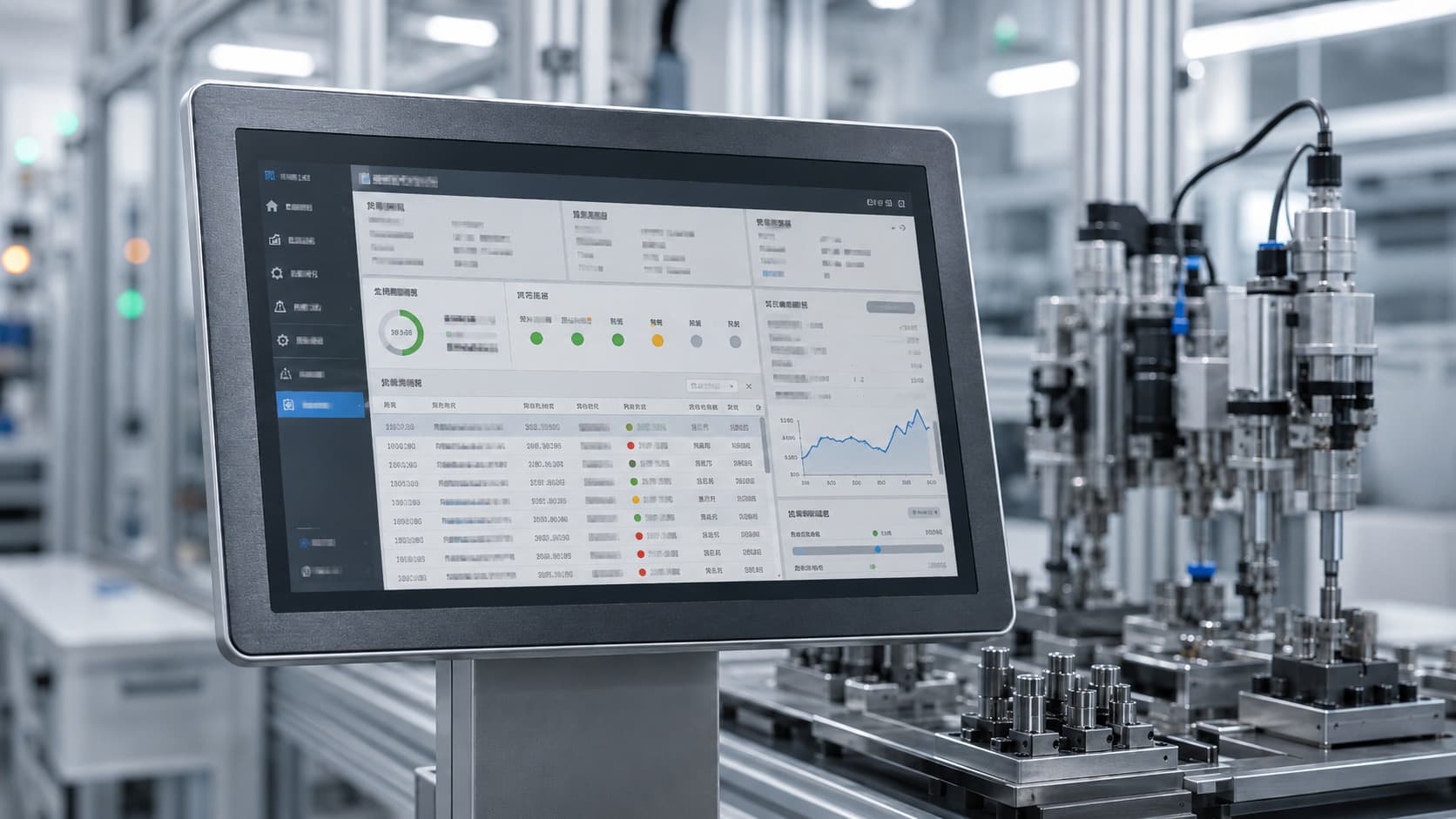

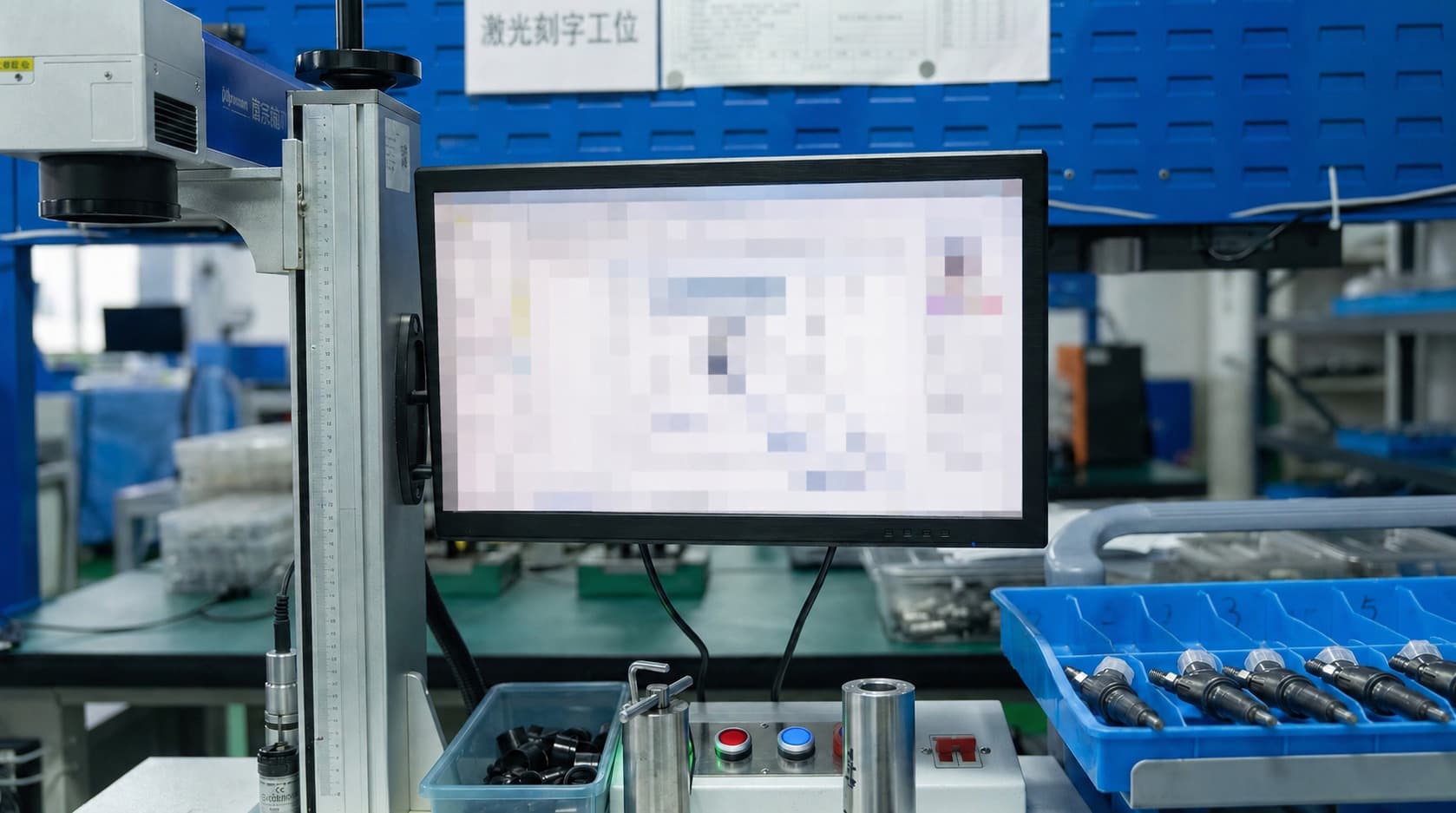


Quality support process
The public process summary focuses on RFQ review, application support, controlled release, and buyer-facing documentation without publishing internal manufacturing methods or record-access mechanisms.
Application reviewPart number, application, and buyer requirements
Dieselink reviews the requested part number, application details, destination market, and documentation expectations before quotation.
- Part number and application context reviewed.
- Buyer requirements confirmed during RFQ.
- Documentation scope agreed before order release.
Controlled handlingRelease-focused quality discipline
Controlled handling and cleaning checks are managed internally as part of production release discipline.
- Handling and cleaning routines are controlled internally.
- Public pages do not disclose process parameters.
- A buyer-facing summary can be scoped after qualification.
Release reviewOrder and product requirements
Finished units go through release review before shipment to support consistent B2B supply.
- Order scope reviewed before release.
- Packaging and documentation requirements checked.
- Quality records retained under Dieselink control.
Trim Code supportCompatible XPI applications
Trim Code support can be coordinated for compatible applications during RFQ and order review.
- Application requirements are confirmed first.
- Support scope depends on product and buyer qualification.
- Internal data and methods are not published.
Retained recordsInternal control
Quality records are retained internally for qualified business review and after-sales investigation when applicable.
- Records remain under Dieselink control.
- Sensitive identifiers may be redacted.
- Sanitized summaries may be shared after qualification.
Buyer-facing summaryQualified business review
Where applicable, Dieselink can share a sanitized quality summary after commercial qualification and confidentiality review.
- Summary format is agreed during RFQ.
- Private conditions and customer references are not published.
- Detailed review happens through qualified business communication.
Engineering & customization
Need a model not in the
catalog? We can build it.
Beyond standard models, we support customer-requested development where feasible — using a controlled workflow from inquiry to pilot run to release.
- Inquiry & feasibilityPart number, application, targets, volumes, documentation needs.
- Drawing / spec alignmentWork from customer requirements, samples, and controlled characteristics.
- Prototype buildProcess route + critical dimensions verified before assembly release.
- Validation & calibrationDimension, performance, cleanliness, and trim-code workflow verification.
- Pilot → productionControlled ramp with traceability, test report outputs, and feedback loop.
What makes this credible for XPI
The factory workflow is built around XPI realities: dispersion control, correct trim code generation, cleanliness discipline, and database traceability that supports both procurement and service.
RFQ
Let’s talk sourcing
Send your XPI injector requirements and we’ll prepare a priced proposal with fitment, packaging, documentation, and delivery support clearly scoped from the start.
Include these details
- Reference part number(s) and application
- Estimated annual volume range and first-order quantity
- Destination market and pack-out preferences
- Fitment and Trim Code support needs, if applicable
- Required public documentation and business-review needs
Cummins, Scania, Bosch, Denso, and XPI are trademarks of their respective owners. Dieselink operates as an independent manufacturer.