Dieselink 标志
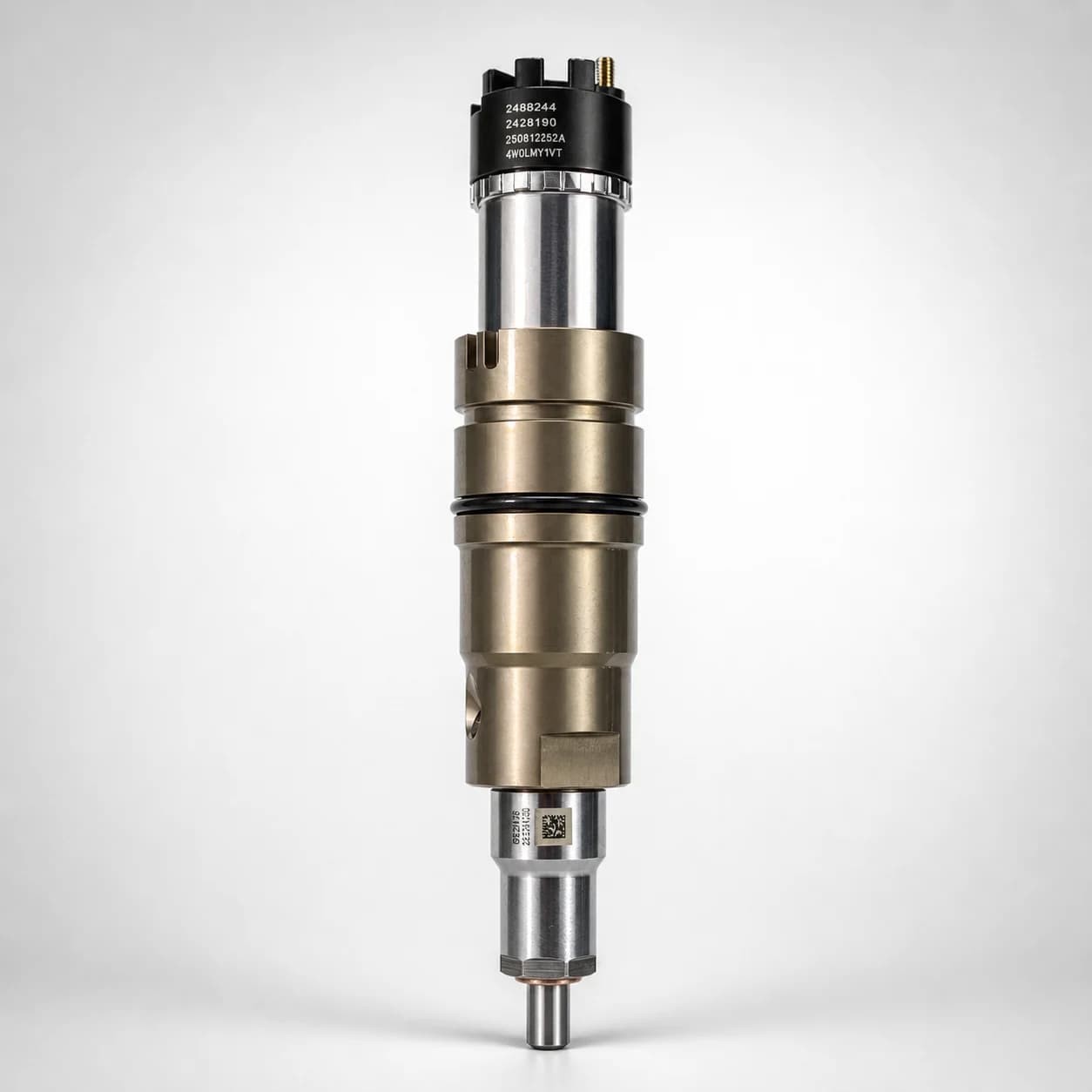
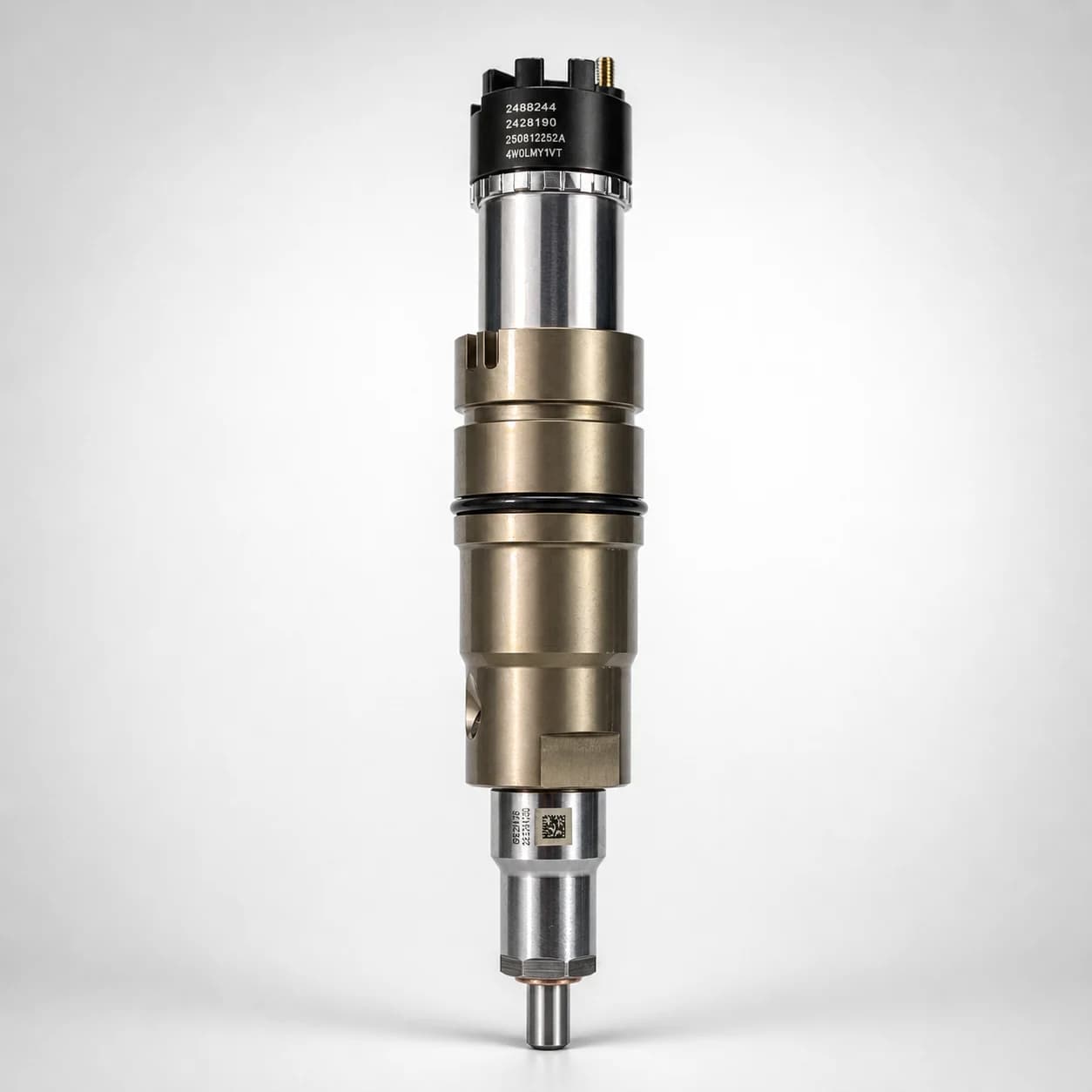
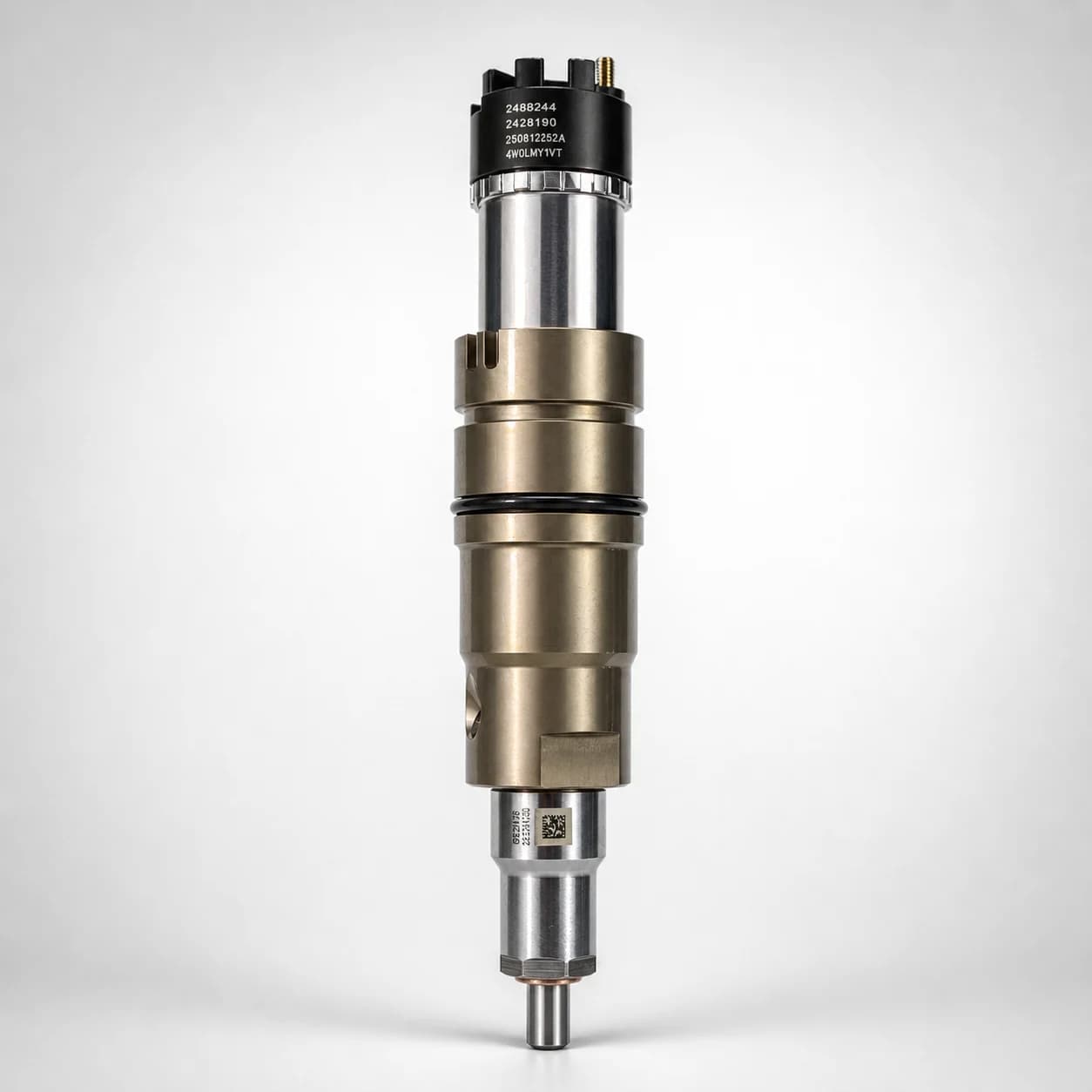
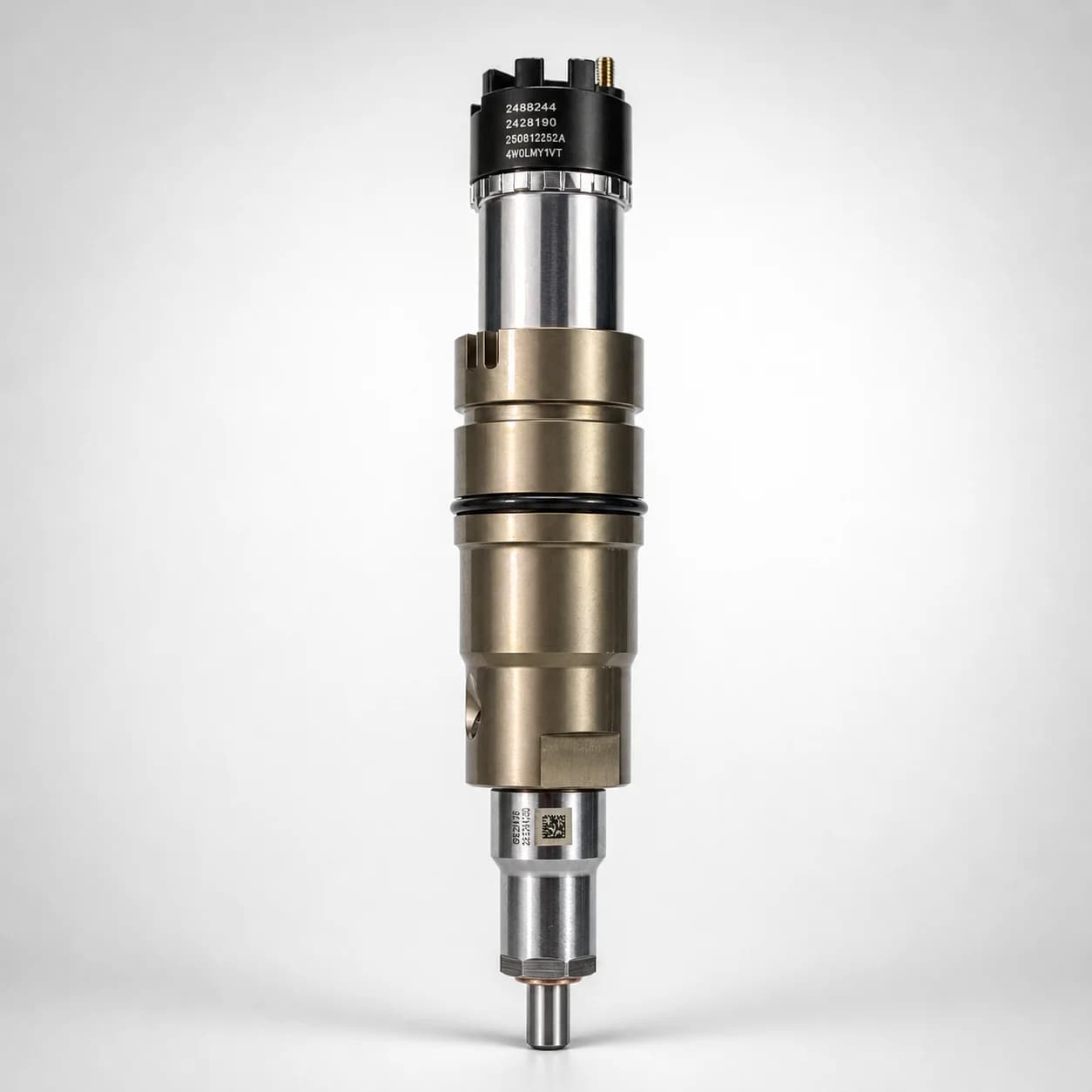
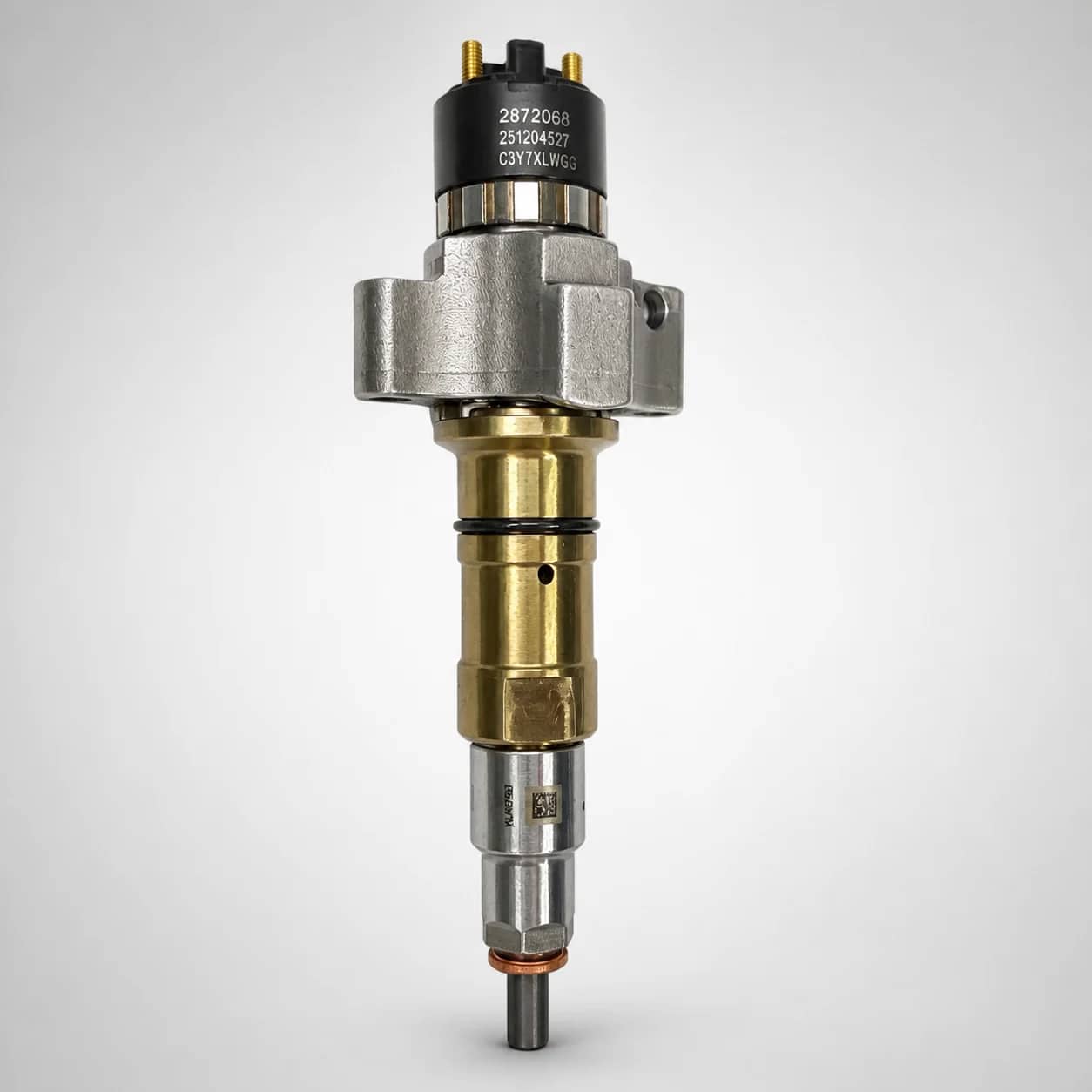
Dieselink 康明斯 2872127 XPI 燃油喷油器主视图
点击放大
左右滑动浏览
质保与交付

Dieselink 标准 12 个月有限质保;现货喷油器通常可在数个工作日内发货。出口交期因地区而异,完整详情请以当前销售条款为准。

DIESELINK XPI 系列 • 全新

康明斯 2872127 XPI 燃油喷油器 – ISL9 8.9L (ISC / ISL, EPA07 公路用)

现货
康明斯 零件号
2872127
关键规格
系统类型
康明斯 XPI 超高压共轨
适用发动机
康明斯 ISL9 8.9L XPI (ISC / ISL 公路用)EPA07 公路用 – 请按 ESN / CPL 确认。
校准
随附单支 Dieselink XPI 修正码ECM 修正码编程需按气缸逐缸进行。
核心部件
全新 Dieselink XPI 喷油器总成OEM 规格 XPI 喷嘴、控制阀与电磁阀。
修正码已就绪
基于多点台架测试数据生成专属 Dieselink XPI 修正码。
经台架测试验证
在专用高压试验台上完成流量、泄漏及关键 XPI 项目验证。

作为全新 Dieselink XPI 喷油器供货,随附有效修正码和测试数据;正确写入后,您的 ISC / ISL9 发动机通常可保持在 OEM 的燃油平衡、排放与噪声限值范围内。

发送询价
分享:

技术规格

系统与平台
系统类型
康明斯 XPI 超高压共轨燃油系统
喷油器类型
电磁阀驱动式 XPI 共轨喷油器
发动机系列
康明斯 ISL9 8.9L XPI(ISC / ISL 公路用发动机平台)
排放方案
EPA07 公路用 XPI 应用 – 请务必按康明斯 ESN / CPL 确认。
喷嘴与压力
喷嘴配置
7 × 0.180 mm 多孔 XPI 喷嘴,发动机角度 0°,喷雾角 145°
轨压能力
最高约 2,500 bar(为 XPI 系统设计能力;实际轨压取决于 ECM 标定和工况循环)。
电气接口
2 针密封式电磁阀接口,康明斯 XPI 样式(ISC / ISL9 配置)。
校准与装配
校准与修正码
随附单支 Dieselink XPI 修正码;安装时每个气缸均需写入 ECM 修正码。
核心部件(全新)
全新 Dieselink 喷油器总成,配 OEM 规格 XPI 喷嘴、控制阀与电磁阀。
燃油、清洁度与测试
推荐燃油与过滤
符合当地规范的超低硫柴油(ULSD);配套面向现代 XPI / 高压共轨系统的高效过滤。
清洁度敏感性
XPI 内部件对细微颗粒污染高度敏感 – 请遵循 康明斯风格的燃油系统与装配清洁度规范。
测试要求
在支持 XPI 的试验台上完成 100% 台架测试,覆盖泄漏、预喷 / 主喷流量及多个负载点下的动态响应。
直接零件号
2872127
交叉对照
2872127, 2872127KX, 2872127NX, 2872127PX, 2872127RX, 4954679, 4954679NX, 4954679RX, 4954927, 4954927NX, 4954927RX, 4984332, 4984332NX, 4984332RX, 5579403, 5579403PX
喷油器套件
5579403 / 5579403PX – 通常包含喷油器 2872127 以及高压连接管和密封件。
发动机平台
通常归类于 ISC / ISL / QSL / QSC 8.3–8.9 L 平台 – 请务必按 ESN / CPL 确认。
车辆应用
重型公路卡车、市政 / 垃圾清运车、专用底盘、巴士、客车及房车。
非公路应用
用于工程、采石及发电设备的工业型 QSL / QSC 版本。
更换套装
5579403QX – 适用于 ISC / ISL 8.9L XPI 维修的成套匹配更换套装选项(数量因具体应用而异)。

产品详情

深入技术信息、适用范围、Dieselink 测试方法与支持资源

Dieselink OEM 级售后 XPI 燃油喷油器专为采用 Xtra-High Pressure Injection (XPI) 共轨系统的康明斯及部分斯堪尼亚重型柴油发动机开发。经验证,可在总体成本更具竞争力的前提下提供 OE 级性能、燃油经济性与耐久性,同时避免小型作坊翻修件或来源不可追溯的“白盒”仿品所带来的风险。

Key Benefits

Tier-1 manufacturing pedigree

Dieselink XPI injectors are built in an OEM-grade facility with Tier-1 programme experience for leading global engine manufacturers, using OE-specification drawings, controlled machining processes and scheduled quality audits.

Brand-new units, no core charge

New-production Dieselink XPI injectors (not remanufactured); no core returns, no "bad core" disputes and simpler e-commerce and export logistics.

Genuine-spec core components

Nozzle, valve assembly, needle and solenoid are manufactured to Cummins XPI specification using matched materials and geometries, not reverse-engineered from worn cores.

Designed for extra-high-pressure XPI systems

Validated for rail pressures up to approximately 2,500 bar with pilot, main and post-injection events controlled by the OE ECU on modern heavy-duty diesel engines.

Real encrypted trim code per injector

Each Dieselink injector runs on an XPI-specific performance test plan; a unique encrypted trim code is calculated from real bench data and laser-marked on the injector body for ECM calibration.

Cleanroom assembly to CES 16599

Multi-stage ultrasonic cleaning and dust-controlled assembly, with fuel-system cleanliness monitored against Cummins CES 16599 guidelines before injectors are released.

Proven by a 1,000-hour engine durability test

Durability screening on rigs plus a 1,000-hour, ~110%-load engine durability test on heavy-duty XPI platforms at a North American OEM engine test center form part of the validation history.

QR-based traceability & documentation

Every Dieselink XPI injector carries a serial number, trim code and QR code; scanning provides access to original test data and associated quality records.

Technical Highlights

System Performance

  • Injection system: Cummins / Scania XPI extra-high-pressure common-rail
  • Maximum rail pressure: Up to approx. 2,500 bar
  • Injection strategy: Pilot, main and post injection events
  • Fuel compatibility: Diesel fuels meeting EN / ASTM (ULSD)

Hydraulic Design & Flow Control

  • Adjustment concept: 2-shim XPI design (tight dimensional window)
  • Natural flow scatter: Up to ±20% at high-load (corrected via trim code)
  • Nozzle manufacturing: Micro-hole EDM + extrude-honing
  • Critical clearances: High-precision grinding, 100% measurement

Electrical Characteristics

  • Actuation: High-speed solenoid, XPI connector
  • Control: OEM XPI ECM with specific current ramp
  • Verification: Solenoid performance verified before bench testing

Packaging & Traceability

  • Packaging: Export-grade with protective caps
  • Test report: Print or digital per unit from bench data
  • Trim code: Unique encrypted code laser-marked on body
  • Traceability: QR code links to quality database

Applications

Engine Families

  • ISX / ISX15 / X15: Class-8 and heavy-duty trucks, tractors and vocational platforms
  • ISG derivatives: Regional trucks, buses and industrial equipment
  • DC13-series: Long-haul trucks, buses and coaches using Scania XPI fuel systems

Vehicle Types

  • Long-haul and regional-haul highway tractors
  • City buses and intercity coaches
  • Construction and mining trucks
  • Industrial and power-generation sets (gensets)

Duty Cycles

  • High-load, high-mileage routes at cruise torque
  • Urban stop-start with extended idling
  • Hot, dusty environments
  • Markets with strict emission regulations (e.g. EPA07 / Euro IV and newer)

Trim Code & Programming

Unlike some Bosch or Denso systems where mechanical shims can correct much of the variation, Cummins / Scania XPI injectors rely heavily on electronic trim codes to control cylinder-to-cylinder fuel quantity, combustion noise and emissions.

When Coding Is Required

  • Every time an XPI injector is replaced with a new or remanufactured unit
  • When injectors are swapped between cylinders or between engines
  • After ECU / ECM replacement or major reprogramming
  • Whenever unexplained knock, rough idle, vibration or smoke appears and injector work has been carried out

Risks When Coding Is Skipped

  • Knock, rough idle or unstable idle speed
  • Excessive black or white exhaust smoke
  • Cylinder-contribution and other injector-related DTCs
  • Long-term risk of piston, valve or aftertreatment component damage

Programming Steps

  • Locate the trim code – find the unique Dieselink trim code laser-marked on the injector body or on the attached test report.
  • Prepare the installation – clean the injector bore and sealing surfaces thoroughly; install new seals and washers as specified by the engine manufacturer.
  • Install the injector – follow OEM torque specifications and tightening sequences for the clamp, high-pressure connector tube and return fittings.
  • Connect an approved diagnostic tool – for example Cummins INSITE, Scania SDP3, Jaltest or another tool that supports Cummins / Scania XPI injector coding.
  • Enter the trim code – select the correct engine and cylinder; enter the code exactly as printed; confirm that the ECM reports the code as valid and stored.
  • Store and verify – save the configuration, start the engine, allow a short learning period at idle, then road-test under load and check for abnormal noise, vibration, smoke or new fault codes.

Manufacturing & Traceability

Joint engineering drawings

Created by the Dieselink injector engineering team to match Cummins XPI system requirements, then released as controlled drawings for series production.

Standard Work & control plans

Every process step is defined by Standard Work Instructions and Control Plans, supported by FMEA, MSA, SPC and APQP-style reviews.

High-precision machining

Nozzles, needles and valve components are machined using high-end grinding, EDM and lapping equipment to maintain tight hydraulic tolerances.

Cleanroom assembly & CES 16599

Critical parts pass through multi-stage ultrasonic cleaning into a dust-controlled assembly workshop, with cleanliness levels checked against CES 16599 fuel-system limits.

Intelligent assembly system

An intelligent assembly system scans the injector body, retrieves dimensional data from the database and calculates shim grades to achieve micrometre-level control of lift and preload.

Database & QR-based traceability

Dimensional data, cleanliness results, bench-test values and trim codes are stored in the Dieselink quality database and linked to the injector's QR code.

Testing & Validation

Component verification

Critical dimensions on nozzles, needles, valve assemblies and solenoids are measured with high-precision gauges and CMM / vision systems.

Performance & leakage tests

Every injector runs through a full XPI performance test plan with multiple pressure, speed and load points to confirm commanded flow and leakage.

Response & transparency checks

Dynamic response and control behavior are evaluated across the load and speed range to ensure the ECU can control pilot, main and post injections accurately.

Durability screening

New designs are screened through 500-hour rig and "drag" durability tests to expose wear-out and hot-fuel failure modes before launch.

1,000-hour engine durability test

Passed a 1,000-hour, approximately 110%-load engine durability test on heavy-duty XPI platforms as part of an OEM validation program in North America.

Who It's For

Workshops & Repair Shops

  • Fewer comebacks: Correct hydraulic performance, CES 16599-level cleanliness and genuine encrypted trim codes reduce knock, smoke and injector-related fault codes after repair.
  • Easier diagnostics: Optional Dieselink bench-test reports and clear trim-code instructions help technicians verify injector performance and rule components in or out quickly.
  • Lower liability on parts: New-production, OE-style Dieselink XPI injectors reduce the risk of warranty labour caused by unknown rebuilders or mixed-quality parts.

Distributors & Wholesalers

  • Defensible quality story: You are supplying XPI injectors from an OEM-grade Tier-1-style production environment with documented process control and validation, not from an unknown small workshop.
  • Lower claim rates: Consistent Dieselink manufacturing and OEM-style validation reduce early failures and the cost of handling complaints.
  • No-core commercial model: Brand-new injectors with no core charge simplify logistics, pricing and cross-border movements for global customers.

Fleets & End Users

  • Predictable engine behavior: Engines start cleanly, idle smoothly and pull under load without hesitation, knock or excessive smoke when each cylinder is correctly coded.
  • Lower lifecycle cost: OE-level XPI injector performance at a lower price point than dealer parts, helping avoid downtime and fuel penalties from poor-quality rebuilds.
  • Better uptime: Dieselink injectors are validated for long-haul trucking, construction and mining duty cycles where injector reliability directly affects availability.

Warranty

Standard Coverage

Standard 12-month warranty under normal operating conditions, provided that installation, trim-code programming and fuel quality follow the recommended guidelines.

Extended Support

For distributors and fleets, extended or customised Dieselink warranty terms can be discussed based on volume, duty cycle and operating conditions.

Downloads

  • XPI Injector Installation & Trim-Code Programming Guide (PDF): Clear, step-by-step Dieselink instructions for removing old injectors, installing new ones and programming Cummins XPI trim codes using popular diagnostic tools.

  • XPI Fuel System Technical Guide – Shim, Trim Code & Failure Modes: In-depth explanation of XPI system design, the 'shim myth', why simple rebuilt injectors often fail, and how genuine trim-code compensation works in Cummins / Scania applications.

  • Sample XPI Injector Test Report (PDF): Example of the performance, leakage and response-time data recorded on the Dieselink XPI test bench for each injector.

  • Cleanroom & CES 16599 Cleanliness Control Overview (PDF): Photo tour and explanation of the Dieselink cleanroom, ultrasonic cleaning stages, particle-counting methods and CES 16599 cleanliness standard.

  • XPI Injector Quality & Validation Whitepaper (PDF): A consolidated Dieselink QA whitepaper covering 1,000-hour engine durability testing, component-level durability work and key supply-chain references for XPI injector manufacture.

FAQ

Q1: Is this a genuine OEM injector or an aftermarket copy?

This is an OEM-grade aftermarket Cummins / Scania XPI injector engineered and validated by Dieselink, manufactured in China in an OEM-grade facility with Tier-1 experience on major engine-OEM programs. It is not sold as a genuine Cummins or Scania service part; instead, it is a new-production Dieselink injector built to match Cummins XPI system requirements for form, fit and function.

Design tolerances, process control, cleanliness and testing are aligned with Cummins XPI expectations, including clean-room assembly, XPI-specific test plans and real encrypted trim codes generated from each injector's bench data. Every unit is released, branded and packaged under the Dieselink name, giving OE-level performance and full traceability at a more competitive total cost than dealer injectors – with no core charge and none of the risks associated with small-shop rebuilds or untraceable "white-box" copies.

Q2: How is this different from cheap rebuilt XPI injectors or 'white-box' copies?

Most rebuilt or low-cost XPI injectors are assembled without CES 16599 cleanliness controls, genuine-specification components, OEM-style test plans or the ability to generate a real encrypted trim code. They may reuse worn nozzles and solenoids and often ship with reused or invented codes. Dieselink XPI injectors are new-production units from an OEM-grade factory regularly audited to automotive Tier-1 standards, assembled in cleanrooms, validated through rig testing and long-duration engine durability programs, and supplied with a trim code generated directly from each injector's bench data.

Q3: Do I really need to program a new trim code every time I change an XPI injector?

Yes. XPI injectors have greater natural fuel-delivery scatter than many standard common-rail designs, especially at high load and high rail pressure. The ECM relies on the trim code to keep each cylinder within the target window for quantity, noise and emissions. Skipping coding or reusing old codes greatly increases the risk of knock, vibration, smoke, fault codes and emission compliance issues. Programming the correct new code typically takes only a few minutes and avoids a significant amount of troubleshooting later.

Q4: Can I mix these injectors with existing OEM injectors in the same engine?

In most applications you can, provided each injector – OE or aftermarket – has its own valid trim code correctly programmed in the ECM. For high-mileage engines or critical fleets, many operators prefer to replace injectors in matched sets to maximise balance and simplify diagnostics, but it is not strictly mandatory.

Q5: Will this injector fix my knocking / smoke / rough idle issue?

If those symptoms are caused by a worn, leaking or unbalanced injector, installing a correctly coded Dieselink Tier-1-style XPI injector often resolves them. However, a full diagnostic – including cylinder-contribution tests, fuel-pressure checks and basic mechanical inspection – is always recommended to rule out compression, valve or turbocharger issues before assuming injectors are the only root cause.

Q6: How do I confirm this injector fits my Cummins or Scania engine?

Confirm fitment by OEM part number, engine model and/or VIN. Dieselink XPI injectors are designed for Cummins XPI heavy-duty families (such as ISX / ISX15 / X15 and ISG derivatives) and selected Scania XPI platforms used in trucks and buses. If you provide your OE number and engine / VIN details, our team can help verify compatibility before you order.

Q7: What documentation and proof of testing do I get with each injector?

Every Dieselink injector has a laser-marked serial number, trim code and QR code. On request, we can print the original test report from the quality database (showing flow rates, leakage and key performance points) and include it in the box or share it digitally. For key accounts, Dieselink can also provide a QA summary or whitepaper covering plant qualifications, cleanliness reports and the 1,000-hour engine durability testing.

Q8: What warranty do you offer?

Standard coverage is a 12-month warranty under normal operating conditions, assuming correct installation, trim-code programming and fuel within specification. For distributors and fleets, extended or customised Dieselink warranty terms can be discussed based on volume and operating conditions – with a clear goal of providing fair support whenever an injector-related issue is traced to manufacturing.